Plug-in hybride voertuigen (PHEV) hebben zich gevestigd als een van de meest evenwichtige oplossingen tussen energie-efficiëntie en uitgebreide actieradius. De combinatie van een elektrische en een thermische motor maakt het mogelijk om korte afstanden alleen met elektriciteit af te leggen, wat betekent dat er minder emissies zijn en er meer bespaard kan worden. In deze gids vertellen we je alles wat je moet weten om je plug-in hybride op de meest optimale en duurzame manier op te laden.
Obsah
- 1 Een plug-in hybride thuis opladen: gegarandeerd gemak
- 2 Welke stekker heb je thuis nodig voor een plug-in hybride?
- 3 Wat voor elektrisch vermogen heb je thuis nodig om je plug-in hybride op te laden?
- 4 Wat kost het om een plug-in hybride thuis op te laden?
- 5 Subsidies voor het installeren van hybride en elektrische autoladers in Spanje
- 6 Waar je een hybride auto buiten huis kunt opladen
- 7 Wat kost opladen buiten huis?
- 8 Belangrijke tips om de levensduur van de batterij te verlengen
- 9 Veelgestelde vragen over het opladen van plug-in hybride voertuigen
- 9.1 Kan ik een oplaadpunt installeren als ik in een appartement woon?
- 9.2 Hoe lang duurt het om een hybride thuis op te laden?
- 9.3 Welke lader heb ik nodig voor een plug-in hybride?
- 9.4 Kan ik mijn auto opladen met zonne-energie?
- 9.5 Welk onderhoud heeft een thuislader nodig?
- 9.6 Wat is het beste tijdstip om mijn hybride op te laden?
- 10 Plug-in hybride voertuigen zijn de slimste mobiliteitsoplossing
Een plug-in hybride thuis opladen: gegarandeerd gemak
Het opladen van een plug-in hybride kan met een adapter rechtstreeks op een stopcontact van de woning, maar we geven je alvast een tip: dit is niet ideaal als je van plan bent het voertuig dagelijks te gebruiken en je de batterij wilt verzorgen. Daarom zijn er type 2 laders, die het mogelijk maken om oplaadtijden te programmeren, het elektriciteitsverbruik te optimaliseren en zich aan te passen aan het beschikbare vermogen op elk moment.
Een oplaadpunt thuis hebben is synoniem voor onafhankelijkheid. Je kunt je auto opladen terwijl je slaapt, vanuit huis werkt of geniet van een rustige middag. Deze gewoonte bevrijdt je niet alleen van de afhankelijkheid van openbare stations, maar levert ook aanzienlijke besparingen op, vooral als je gebruikmaakt van daluren of bijvoorbeeld onze software EcoCharging.

Welke stekker heb je thuis nodig voor een plug-in hybride?
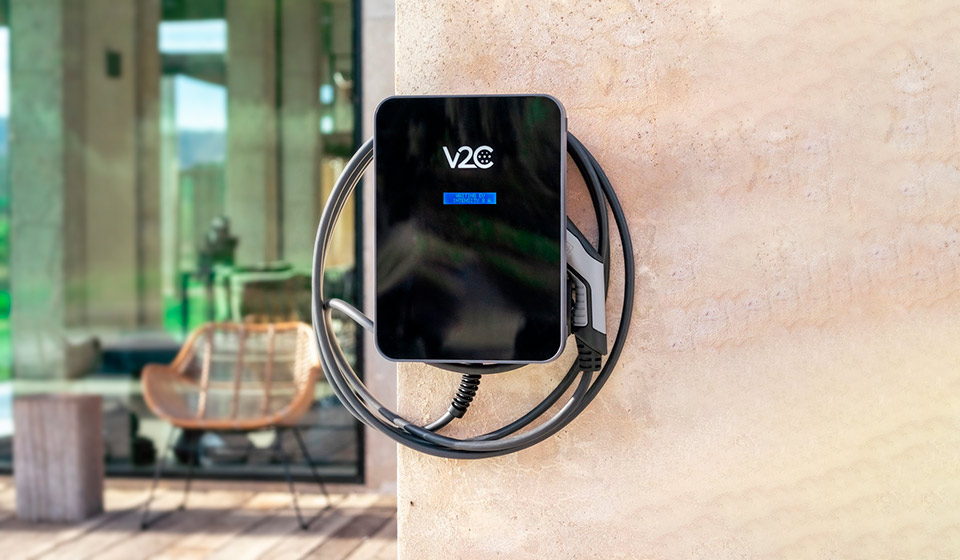
Het opladen van een plug-in hybride lijkt eenvoudig, je hoeft alleen maar de kabel van het voertuig op het oplaadpunt aan te sluiten, of dat nu thuis of op een openbaar punt is. Echter, het type installatie en lader dat je gebruikt, bepaalt de tijd, de kosten en de veiligheid van elke oplaadbeurt. Bij V2C, fabrikanten van elektrische autoladers ontworpen en geproduceerd in Spanje, leggen we je alle details uit om de gezondheid van de batterij van je plug-in hybride thuis optimaal te verzorgen.
Afhankelijk van je behoeften en de situatie, zijn er verschillende oplaadmodi die je kunt gebruiken om je plug-in hybride op te laden. We laten je zien waarvoor elk type stekker dient om je plug-in hybride op te laden.
Schuko-stekker (normaal) voor het opladen van je plug-in hybride: ja of nee?
Hoewel het legaal en technisch haalbaar is, is het niet aan te raden om op te laden via een conventionele schuko-stekker (Mode 1). Dit type aansluiting kan sporadisch worden gebruikt, maar biedt geen thermische bescherming of laadcontrole, en bovendien verlengt het de oplaadtijd (tot 6 uur). Kortom, het is alleen een optie voor noodgevallen wanneer je geen Mode 2 of Mode 3 lader beschikbaar hebt.

Laad je plug-in hybride op in Mode 2 of Mode 3: de perfecte lading voor dagelijks gebruik
Bij V2C aanbevelen we altijd om Mode 2 of Mode 3 te kiezen voor het dagelijks opladen van je plug-in hybride. Deze systemen zorgen voor een snellere en vooral veiligere lading voor hybride voertuigen. Aangezien dit type voertuigen meestal veel kleinere batterijen heeft dan elektrische voertuigen, is de oplaadtijd ook korter. Laadstations van 3,7 kW tot 7,4 kW zijn ideaal voor dit type voertuigen, bijvoorbeeld:
- Mode 2 (monofasisch, 3,7 kW): Ideaal voor particuliere woningen. Volledige lading in ongeveer 3 uur.
- Mode 3 (driefasig, tot 7,4 kW): Ontworpen voor degenen die sneller willen opladen (1,5 uur). Perfect voor gemeenschappelijke garages of huizen met meerdere auto’s.
Beide modi vereisen de installatie van een oplaadpunt. Het installeren van een V2C lader thuis is een investering die zich snel terugbetaalt. We hebben een netwerk van professionele oplaadpuntinstallateurs door heel Spanje. Zij zorgen voor de technische analyse, de installatie en kunnen je ook adviseren over beschikbare subsidies zoals het Plan Auto 2030 voor geëlektrificeerde voertuigen.
Ons doel is duidelijk: dat het opladen van je plug-in hybride geen probleem is, maar een extra voordeel van je overstap naar elektrische mobiliteit.
Wat voor elektrisch vermogen heb je thuis nodig om je plug-in hybride op te laden?
Een veelvoorkomend misverstand is dat je een enorm vermogen nodig hebt om een hybride auto op te laden. Niets is minder waar. In de meeste huishoudens is een vermogen van tussen 3,7 kW en 7,4 kW voldoende.
Heb je alleen 3,45 kW gecontracteerd? Je kunt ook opladen, maar het zal langzamer zijn en je moet dynamisch laadbeheer gebruiken om overbelasting te voorkomen. Bij V2C hebben we slimme laders die dit werk voor je doen, door het vermogen aan te passen aan je dagelijkse verbruik. We raden je aan om te bekijken hoe we energie efficiënt beheren bij V2C.
Wat kost het om een plug-in hybride thuis op te laden?
Laten we ter zake komen. De kosten voor het opladen van een plug-in hybride thuis zijn veel lager dan die van traditionele brandstof. Laten we een echt voorbeeld bekijken:
| Elektriciteitstarief | Prijs per kWh | Volledige lading (11,4 kWh) | Kosten per 100 km |
|---|---|---|---|
| Standaard tarief | 0,13 €/kWh | 1,48 € | ~2,60 € |
| Nachttarief | 0,06 €/kWh | 0,68 € | ~1,25 € |
Vergelijk je dit met benzine (5 L/100 km à 1,30 €/L)? Dan zou je 6,50 € per 100 km uitgeven. Met andere woorden, opladen thuis kan je tot 80% per rit besparen. Bovendien zijn er andere factoren die je opladen veel goedkoper kunnen maken. Bijvoorbeeld, je kunt je plug-in hybride opladen met zonne-energie dankzij de directe verbinding met de beste merken omvormers op de markt met onze hybride en elektrische voertuiglader Trydan. Ontdek onze gids over hoe je je elektrische of hybride auto met zonnepanelen kunt opladen.
Subsidies voor het installeren van hybride en elektrische autoladers in Spanje
Via het Plan MOVES III krijg je tot 70% van de kosten van de aankoop en installatie van je oplaadpunt terug. Ons nationale netwerk van professionele elektrische autoladerinstallateurs staat vanaf het begin voor je klaar om je te helpen met alles wat nodig is om de subsidies aan te vragen.
Wist je bovendien dat je de IRPF kunt aftrekken voor de aankoop van je elektrische autolader in je belastingaangifte? In 2025 wordt het opladen van je elektrische of hybride voertuig steeds eenvoudiger en betaalbaarder.
Waar je een hybride auto buiten huis kunt opladen
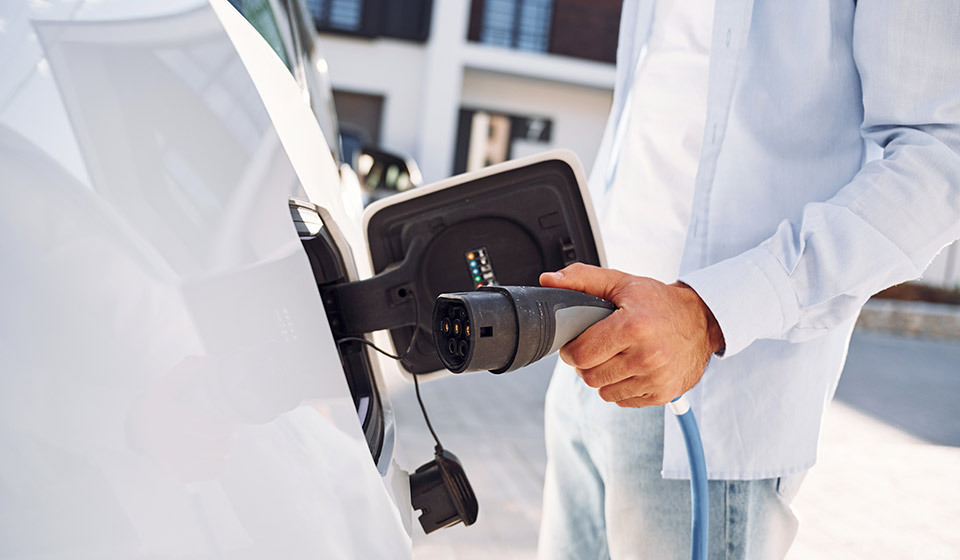
Hoewel het het gemakkelijkst is om thuis op te laden, zijn er openbare alternatieven. Je kunt je plug-in hybride opladen bij:
- Supermarkten en winkelcentra: hebben meestal semi-snelle laders in Mode 3 of supersnelle laders in Mode 4 waarmee je je hybride voertuig in een uur of minder kunt opladen.
- Tankstations met laadstations: hebben vaak snelladers in Mode 4.
- Kantoren en bedrijven die opladen voor werknemers aanbieden: zijn meestal geïnstalleerd in de parkeerplaatsen van het bedrijf die worden gebruikt voor opladen terwijl werknemers hun werkdag uitvoeren, dus het zijn meestal laders van Mode 2.
- Openbare parkeerplaatsen: afhankelijk van de locatie kunnen dit semi-snelle of snelle laders zijn.
Wat kost opladen buiten huis?
Hier varieert de prijs afhankelijk van de operator; er zijn enkele plaatsen in Spanje waar je je elektrische of hybride voertuig nog steeds gratis kunt opladen als je gebruikmaakt van de diensten van de locatie. Bijvoorbeeld supermarkten waar je boodschappen doet of hotels waar je verblijft, bieden vaak gratis oplaadservices aan.
Echter, het wordt steeds gebruikelijker dat meer soorten bedrijven en parkeerplaatsen elektrische autoladers hebben die de oplaadservice aanbieden tegen een verlaagd tarief als je hun faciliteiten gebruikt of iets duurder als het snelladers zijn. De prijs voor snel opladen zal altijd hoger zijn omdat de installatie van dit soort laadoplossingen minder betaalbaar is dan een semi-snelle oplaadpunt.
| Plaats | Gemiddelde prijs | Opmerkingen |
|---|---|---|
| Gratis punten | 0 € | Sommige parkeerplaatsen en supermarkten |
| Laadstations | 0,30 – 0,80 €/kWh | Afhankelijk van de leverancier (Endesa, Iberdrola) |
Zoals je al weet, zelfs bij openbare oplaadpunten die niet gratis zijn, blijft het nog steeds goedkoper dan een volle tank benzine.
Belangrijke tips om de levensduur van de batterij te verlengen
Als experts in het ontwerp en de fabricage van elektrische autoladers, weten we bij V2C dat een van de belangrijkste punten om het meeste uit je elektrische of hybride voertuig te halen, is om een paar richtlijnen te volgen bij het opladen van je voertuig. Hier geven we je de belangrijkste tips om de gezondheid van je batterij te verzorgen en de levensduur ervan aanzienlijk te verlengen.
Laat de batterij van je plug-in hybride niet volledig leeg raken
Het is ideaal om ervoor te zorgen dat de batterij van je plug-in hybride niet onder de 20% komt. Net als bij elk systeem met lithiumbatterijen is het niet aan te raden om de batterijen volledig leeg te laten lopen voordat je ze weer oplaadt. Dit zou de lithiumcellen beschadigen als het regelmatig gebeurt, daarom is het aan te raden om je oplaadbeurten te plannen.
Vermijd het regelmatig opladen tot 100 % van je plug-in hybride
Vooral als de auto lange tijd stil staat. Het is optimaal om de lading tussen 20% en 80% te houden.
Laad je hybride voertuig op in thermisch geschikte omgevingen
Extreme temperaturen beïnvloeden de laadprestaties. Bij veel warmte of kou kan het opladen van je voertuig veel langzamer zijn, daarom aanbevelen we altijd om je voertuig in een garage of tijdens de koelere uren van de dag op te laden, bijvoorbeeld ‚s nachts in de zomer.
Rijd soepel en efficiënt: de sleutel tot het optimaliseren van het gebruik van je batterij
Een rustige rijstijl stelt je in staat om het meeste uit de elektrische motor te halen en de batterij te behouden.
Veelgestelde vragen over het opladen van plug-in hybride voertuigen
Korte antwoorden op de meest gestelde vragen van onze klanten over oplaadpunten en plug-in hybride voertuigen.
Kan ik een oplaadpunt installeren als ik in een appartement woon?
Ja, zelfs in een gemeenschappelijke garage. Je hoeft alleen de beheerder te informeren.
Hoe lang duurt het om een hybride thuis op te laden?
Tussen 1,5 en 3 uur, afhankelijk van het geïnstalleerde vermogen.
Welke lader heb ik nodig voor een plug-in hybride?
Het meest aanbevolen is een lader van type Mode 2 of 3.
Kan ik mijn auto opladen met zonne-energie?
Ja. De V2C laders kunnen worden geïntegreerd met zonnepanelen voor een 100% groene lading.
Welk onderhoud heeft een thuislader nodig?
Heel weinig. Alleen periodieke controles die wij beheren.
Wat is het beste tijdstip om mijn hybride op te laden?
Tijdens het daluren tarief, meestal ‚s nachts. Goedkoper!
Plug-in hybride voertuigen zijn de slimste mobiliteitsoplossing
De overgang naar elektrische mobiliteit begint thuis. En het begint met een beslissing: laad je plug-in hybride met intelligentie, veiligheid en efficiëntie. Daarom zijn we bij V2C gespecialiseerd in het ontwerpen van laadoplossingen voor thuis die de lading van je voertuigen tot het maximum optimaliseren. We ontwikkelen onze producten 100% in Spanje en hebben een professioneel netwerk van oplaadpuntinstallateurs die je helpen met alles wat je nodig hebt.
Aarzel niet om contact met ons op te nemen als je vragen hebt over het opladen van je plug-in hybride en we adviseren je in alles wat je nodig hebt.