
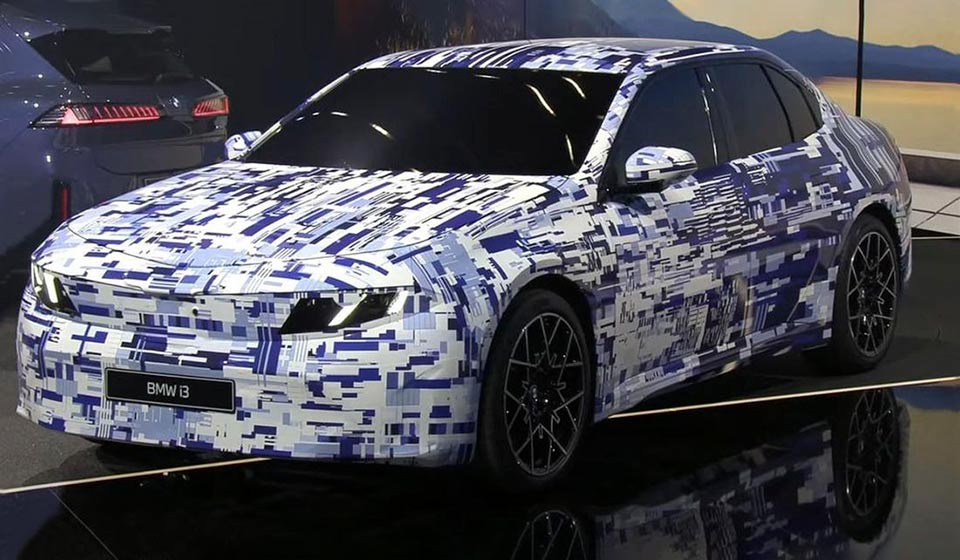
18% of global sales for the BMW Group now corresponds to electric vehicles, a clear sign that electrification is advancing more firmly than expected. The revival of the BMW i3 and the arrival of the 2026 BMW Series 3, along with the growing commitment to electric BMW models, open a new phase that demands well-designed, efficient, and fully integrated charging solutions in users’ daily lives. From our experience, we analyze what this new generation of vehicles means and how to prepare a charging installation that matches their technological level.
At V2C, as a Spanish manufacturer of smart electric vehicle chargers and specialists in charging technology, we closely follow every new addition to the electric market.
Table of Contents
- 1 What can we expect from the new BMW i3 2026?
- 2 The new BMW Series 3 generation
- 3 Why the new BMW i3 is a decisive step for BMW’s electric range
- 4 What should a good installation for charging a BMW i3 in companies or public areas have?
- 5 Can a home charger take advantage of the ultra-fast charging of the BMW i3?
- 6 How do public subsidies affect the purchase of the new BMW i3?
- 7 The BMW i3 marks a new stage, and the infrastructure must accompany it
What can we expect from the new BMW i3 2026?
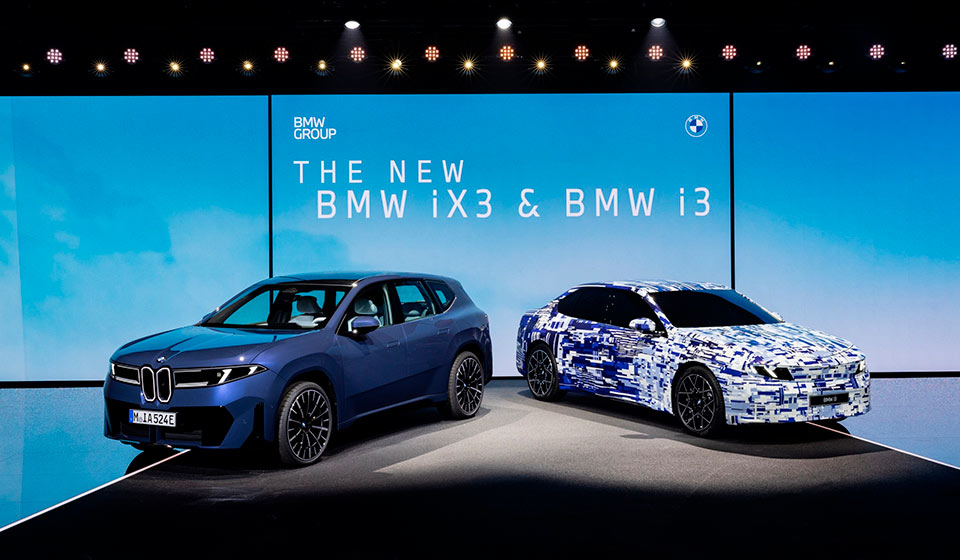
The new BMW i3 will arrive in 2026 as a 100% electric sedan developed on the Neue Klasse platform. This is key to understanding its ambition: more efficiency, more charging power, and optimized energy behavior. For any driver, this means shorter charging times and a range far superior to the current average. If you want to know more, we recommend our article on the new BMW Neue Klasse.
At V2C, as designers of electric vehicle chargers, we observe this evolution of electrified vehicles with special interest, as these new models will demand infrastructures capable of supporting those performances without losses or limitations.
Key aspects of the new BMW i3:
- Neue Klasse platform with next-generation electric architecture
- High-capacity battery with an estimated range of over 800 km
- Ultra-fast charging of up to 400 kW
- Focus on aerodynamic efficiency and advanced regeneration
- Digital integration and next-generation assistance systems
To take advantage of such ultra-fast charging, it will be essential to have an electric vehicle charger with dynamic power management and prepared for high power, especially in corporate or industrial environments.
The new BMW Series 3 generation
The eighth generation of the Series 3 will offer more options: plug-in hybrid versions, optimized thermal engines, and the fully electric variant, which will be the BMW i3. Both lines share development but cater to different driver profiles.
The strategic move is clear: those who want to make the definitive leap to electric mobility will find in the BMW i3 the technological benchmark within the Series 3 family. And that implies charging infrastructures prepared for higher powers, more frequent charging cycles, and intelligent energy management at home or in the workplace.
At V2C, we design chargers intended to support that transition, facilitating systems that optimize energy use, prevent overloads, and allow control of everything from our app.
Why the new BMW i3 is a decisive step for BMW’s electric range
The return of the BMW i3 represents a complete renewal of BMW’s electric strategy, based on four pillars:
- The new Neue Klasse architecture
- New battery chemistries
- Software-hardware integration
- Global energy efficiency
For us, as a Spanish company specialized in charging technology, this approach has a direct impact: every advancement in the vehicle requires raising the capacity, reliability, and efficiency of the charging infrastructure. A car capable of recovering hundreds of kilometers in just a few minutes needs an environment prepared for it, from the electrical installation to the charger itself.
What should a good installation for charging a BMW i3 in companies or public areas have?
The performance of a new generation vehicle also depends on the quality of the charging point. That’s why, at V2C, we recommend considering several aspects before carrying out an electric vehicle charger installation, especially for a model with such advanced capabilities as the BMW i3.
Essential elements of a good fast charging installation:
- Adequate and well-dimensioned contracted power
- Dynamic power management to avoid spikes
- Compatibility with CCS Combo connectors
- Certified wiring and protections for high power
- Possibility of future expansion
Many users also take advantage of subsidies to install electric vehicle chargers, which can significantly reduce the initial investment. Our team advises each client to optimize the available power and choose the most suitable charger for their driving style.
Can a home charger take advantage of the ultra-fast charging of the BMW i3?
In a residential environment, ultra-fast charging is usually not necessary or viable due to infrastructure limitations. However, V2C home chargers do allow you to harness the full potential of the vehicle through stable, safe, and optimized charging. We are currently proud to confirm that Trydan is the most installed home charger in Spain, and our network of professional electric vehicle charger installers will assist you throughout the purchase and installation process.
For the Spanish user, charging at home is the most economical and convenient option. The combination of night tariffs, intelligent management, and a nationally produced V2C charger allows the charging experience to be as smooth as the driving of the car itself.
In companies, communities, or corporate parking lots, we can install higher power charging points, as they usually have more robust infrastructure, and that’s where V2C technologies make a difference thanks to scalable and centrally manageable systems. If you want to know more, we recommend you take a look at Denka, our first fast charger, capable of recharging 140 km of range in just 30 minutes.
How do public subsidies affect the purchase of the new BMW i3?
Every year, more users take advantage of incentives such as subsidies to buy electrified cars that promote sustainable mobility and, consequently, the demand for charging points. At the same time, there is also growing interest in integrating an electric vehicle charger into homes or businesses that guarantees daily autonomy and control of energy expenditure. Choosing reliable charging technology manufactured in Spain, like that of V2C, becomes a strategic decision for both individuals and companies.
The latest news announces that the new electric vehicle subsidies will be based on the Auto Plus Plan announced by the Spanish government as part of the Plan Auto 2030. This Plan offers direct subsidies for the purchase of vehicles and the installation of charging points.
The BMW i3 marks a new stage, and the infrastructure must accompany it
The revival of the BMW i3 confirms that the future of BMW electric will be more ambitious and technological. To take advantage of that level of innovation, it is essential to have an intelligent, robust charging system prepared to manage high powers.
At V2C, we design and manufacture in Spain the chargers that will make that transition possible, both in homes and in businesses. If you are thinking of preparing your space to welcome a new generation electric vehicle like the BMW i3, leave us your details in “Find your V2C installer” and the nearest installer will contact you as soon as possible.