
Electric vans are the best option if we want to have a fleet of vehicles in our company that meets the highest standards in terms of emissions. Electric vans have significant advantages over diesel vans. Is it worth it to have an electric van? In this article, we will see how electric vans work and the numerous economic advantages of acquiring electric vans for company vehicle fleets.
How do electric vans work?
Electric vans are vehicles that do not pollute while driving; we only need to charge their battery to get them moving, spending little and saving a lot of costs for our company.
An important point to highlight is that if we buy electric vans for our companies, we can forget about combustion engines, exhaust pipes, clutches, and the numerous inspections that combustion vans must undergo periodically.
Electric vans are recharged through charging points for electric vehicles; the range of the electric van depends on the model and the charging point. What range do electric vans have? The range of electric vans depends on the battery capacity, and as we will see below, many electric vans available for our companies have sufficient range to carry out daily work.
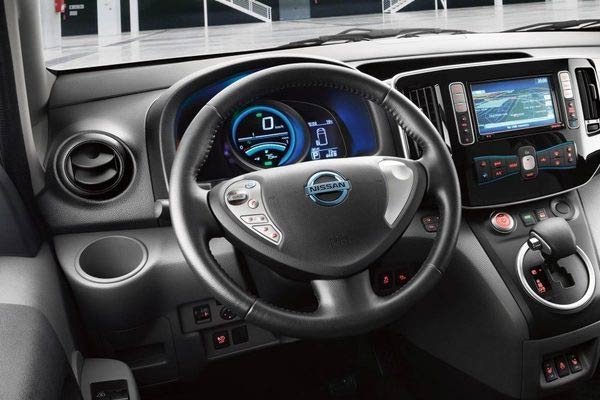
For example, there are already many favorable opinions about the Nissan e-NV200; users typically drive between 70 and 90 km on roads and in cities. Its 24 kWh battery can have a range of 167 km, although this depends on whether the electric van is charged or not. One of our clients tells us that they drive an e-NV200 at an average of 90 km/h, 20 km on the highway and the rest in the city, covering about 100 km. The electric van user adds that the charging time for the electric van is 9 hours, and they manage to charge it completely. The savings they achieve is about 500 euros per quarter.
Many of the vans operating in our country do so in urban environments, and a large number of them are intended for the transport of small goods and quick trips in large cities. Therefore, although the electric motor has advantages in terms of driving, such as progressive acceleration, range still represents a problem for users, primarily for companies and transporters.
What advantages do electric vans have?
- Zero emissions. This means that if you work in a city with traffic restrictions like Madrid or Barcelona, you can drive freely in the urban center of the cities and continue with your daily work normally.
- No mechanical problems. Electric vans have fewer mechanical components, which translates to fewer failures, thus increasing the safety of having the electric van available every day we need it, as we do not lose workdays due to having the van in the workshop.
- Noise-free. The electric motors of these vans are much quieter than traditional engines.
- No gas stations. The charging point for electric vans can be installed in garages, homes, and on public roads. Electric van users recharge their fleet of vehicles at their company’s premises, saving time spent waiting at gas stations.
- Smooth driving. The electric motor allows for more uniform acceleration and braking, so there are no abrupt changes. Many users believe that driving an electric van is less jarring, and after adapting from driving a diesel or gasoline vehicle to an electric one, the experience is always positive.
- Tax advantages. To encourage the purchase of electric vehicles, electric vans, electric cars, etc., public aid from the state, municipalities, or autonomous communities is published, which users can take advantage of to buy electric vehicles and charging points for electric vehicles.
- Ease of parking. Many cities allow electric vehicles to drive in the bus lane, and not only is it an advantage to drive an electric van, but it is also easy to park; in fact, in blue zones, etc., electric vans are allowed to park for free.
- Reduce costs. When your company is equipped with a fleet of electric vehicles, you will reduce costs as you will save on fuel. Electric vans can be recharged at home, and you can control electricity consumption while charging to take advantage of off-peak hours.