


PHEV: What is PHEV? The most sustainable hybrid cars

In an increasingly sustainability-conscious world, plug-in hybrid vehicles (PHEV) have gained an important place in the market. In 2025, more than 50% of cars sold in the European Union were hybrid or electric, with hybrids accounting for around 34‑35% and pure electric vehicles close to 17% of the market. But what exactly is a PHEV and how does it relate to the future of electric mobility?

In this article, we tell you all about the meaning of the acronyms for PHEV hybrid cars, their benefits, and how you can optimize your charging experience with state-of-the-art electric chargers.

What is PHEV?

PHEV is the acronym for “Plug-in Hybrid Electric Vehicle, that is, Plug-in Hybrid Electric Vehicle. Unlike conventional hybrids (HEV), PHEVs have a battery that can be recharged through an external electricity source, such as a conventional car charger or even a reinforced household outlet. The particularity of PHEVs is that they can operate in 100% electric mode for short trips, generally up to 50-70 kilometers, depending on the model. This reduces fuel consumption and CO2 emissions, making them an efficient option for both urban driving and long-distance travel. Our article with all the types of electric cars is recommended if more information is desired.

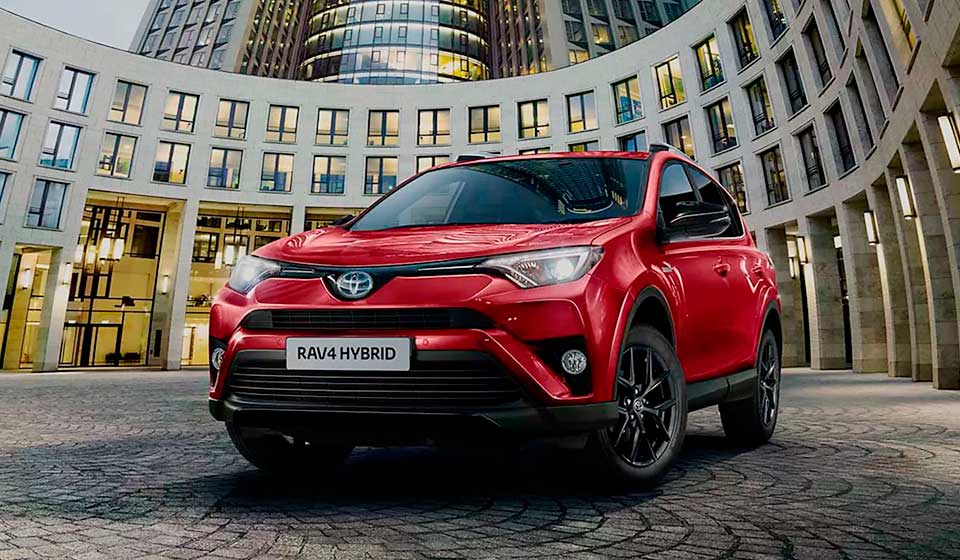
most reliable hybrid car toyota rav4

The Toyota RAV4 2.5L (2013-2018): The Third Most Reliable Hybrid Car of 2024 | The most reliable hybrid cars of 2026

How do PHEVs work?

The operation of a PHEV is simple yet innovative. This type of vehicle is equipped with a higher capacity battery than conventional hybrids. When the battery is charged, the PHEV car can operate in fully electric mode. At higher speeds or when the battery runs out, the internal combustion engine kicks in, providing a driving experience similar to that of a conventional car.

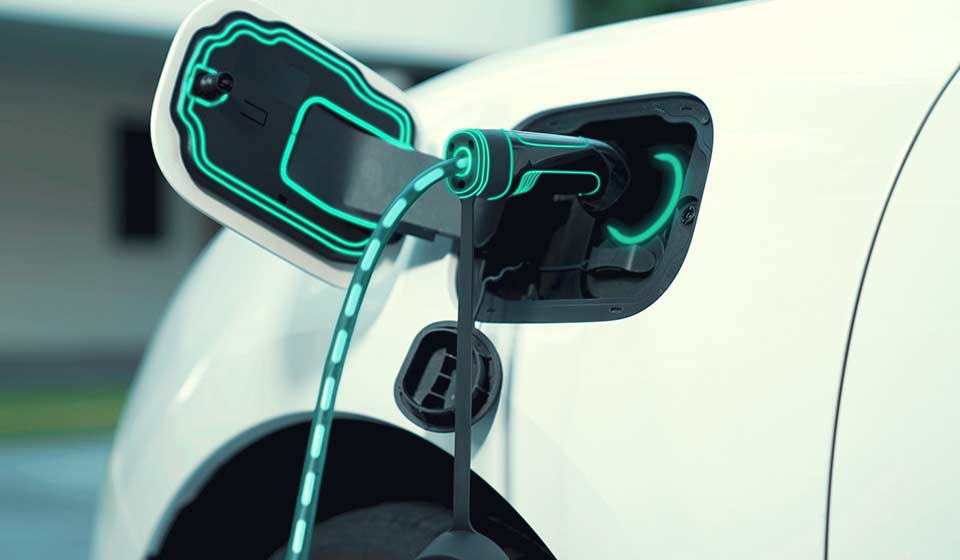
To recharge the battery, users can plug their car into a public charging station or a home electric car charger. V2C chargers, with their smart charging technology, enable efficient, safe, and fast recharging, ensuring that the car is always ready for the next journey.

The evolution of transportation with PHEV vehicles

The PHEV technology not only represents an improvement in terms of energy efficiency but also marks a step forward in the evolution of transportation. The batteries of PHEV plug-in hybrid cars are larger than those of conventional hybrids, allowing for greater electric range. This means that, for urban routes or short trips, the internal combustion engine is hardly used, contributing to a significant reduction in pollutant emissions. Furthermore, for longer trips, the combustion engine takes over, providing greater flexibility and autonomy.

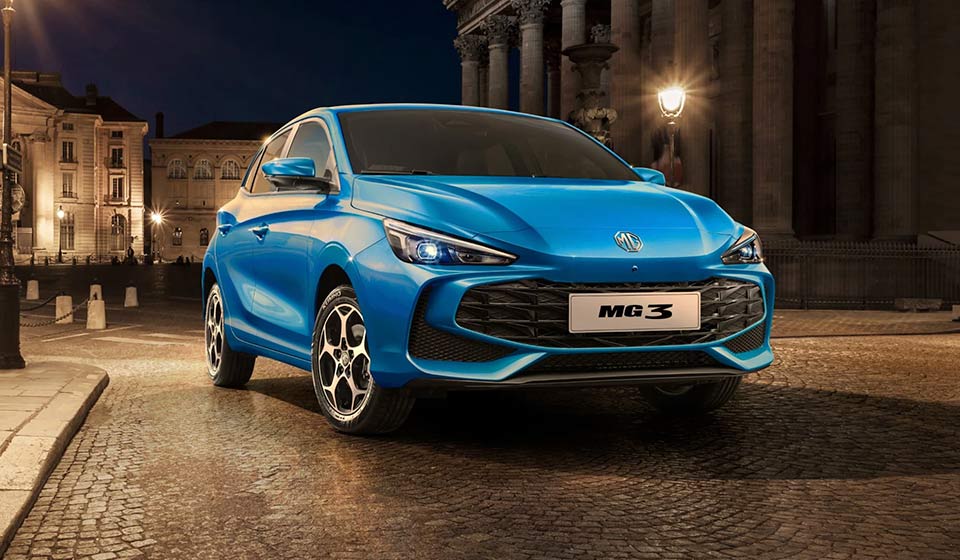
MG 3 Economical Hybrid Car

MG3 Hybrid+: a cheap hybrid car under 20,000 euros

Plug-in Hybrid PHEV vs. Conventional Hybrid

Although both types of vehicles combine an electric motor and an internal combustion engine, there are key differences between conventional hybrids and PHEVs.

Conventional hybrids (HEVs) rely on the combustion engine to recharge the battery, while plug-in hybrid electric vehicles (PHEVs) can connect to an external source to recharge their larger capacity battery. This allows PHEVs to offer significantly greater range in electric mode. For drivers who make short trips, the PHEV can operate as a fully electric car, while the conventional hybrid is usually more dependent on the gasoline engine.

For all these reasons, plug-in hybrid vehicles are much more sustainable than a regular hybrid, creating the perfect gateway to expand electric mobility on our roads.

Advantages of PHEVs

PHEVs offer multiple advantages that position them as an attractive option for those seeking a more efficient and eco-friendly mobility solution. Here are some of the main advantages:

  • Reduction of emissions: By being able to drive in pure electric mode during short trips, PHEVs drastically reduce CO2 emissions.
  • Fuel savings: By using electric energy, especially in urban journeys, fuel consumption is minimal. On average, a PHEV can consume as little as 1-2 liters per 100 km.
  • Flexibility on long trips: For long journeys, the combustion engine comes into action, eliminating the worry of running out of battery in the middle of a trip.
  • Tax incentives: In many countries, PHEV vehicles can access tax incentives and discounts on purchases due to their lower environmental impact, such as the Auto Plan 2030 in Spain.

Mercedes-Benz GLC 300DE: The plug-in hybrid car with an electric range of up to 130 km | TOP 8 Plug-in hybrid cars with the highest range

Disadvantages of PHEV hybrids

Despite their numerous advantages, PHEVs also have some disadvantages that are important to consider:

  • High price: PHEVs often have a higher initial cost than conventional hybrids and internal combustion engine cars, due to the advanced technology they incorporate. However, increasingly more affordable models with better performance are being introduced.
  • More complex maintenance: Due to their dual motorization, PHEVs may require more complex maintenance, resulting in potential additional costs in the long term.

It is true that with a plug-in hybrid car, the installation of an electric car charger will be necessary, as is well known in V2C, since the company is a leader in the manufacture of car chargers. Therefore, the commitment to create the best charging technology, more sustainable and affordable for everyone, continues.

Installation of car chargers for PHEV

At V2C, the transition to a cleaner and more efficient future is facilitated through innovation in charging systems for electric and plug-in hybrid vehicles. Our chargers are designed to meet the needs of users of any PHEV, offering customized solutions for both individuals and businesses. A network of professional installers across Spain ensures a quick and safe installation, tailored to the characteristics of each home or workspace.

Every year that passes, charging technology continues to evolve rapidly as we increasingly see plug-in hybrid and electric vehicles on our roads. At V2C, it is believed that governments and institutions will continue to invest in providing support for the installation of electric car chargers as well as incentives for the purchase of electric and hybrid cars. This is an essential step to continue promoting the electric transition in Europe.

PHEV hybrids are a bridge to full electrification.

PHEV vehicles represent an important step towards electric mobility, thanks to the efficiency of an electric motor for daily use and the range of a combustion engine for long journeys. At V2C, not only are high-quality electric car chargers manufactured, but efforts are also made to make the transition to PHEVs and electric cars as simple and efficient as possible.

If you are thinking of acquiring a PHEV, make sure to have an adequate charging system. Our chargers are designed to provide maximum efficiency and flexibility, adapting to the needs of each driver.

Frequently asked questions about PHEV cars and short answers

Electric mobility has gained significant momentum in recent years, and plug-in hybrid electric vehicles (PHEVs) have played a key role in this transition towards a more sustainable future. However, those considering acquiring a PHEV or who have already done so often have several questions about its operation, maintenance, and advantages. Below, the most frequently asked questions by those interested in PHEVs and their impact on modern mobility are addressed.

What is the main difference between a PHEV and a conventional hybrid?

The most important difference between a PHEV and a conventional hybrid (HEV) lies in the ability to recharge the battery. While conventional hybrids recharge their batteries exclusively through the combustion engine or energy recovery during braking, PHEVs can connect to an external electricity source to recharge their batteries, that is, a car charger. This allows them to operate in fully electric mode over short distances, further reducing fuel use and CO2 emissions.

What type of chargers are compatible with a PHEV?

PHEV vehicles are compatible with various types of chargers, making it easy to charge them both at home and at public stations. They can be charged using conventional outlets, although the use of wallboxes or dedicated charging stations is recommended to optimize charging time. At V2C, a wide range of smart e-chargers designed to meet the needs of PHEV users, providing fast and efficient charging.

How much range can a PHEV offer in electric mode?

The electric range of a PHEV in 100% electric mode varies depending on the model and the capacity of its battery. In general, most PHEVs offer an electric range of between 40 and 70 kilometers, sufficient to cover most daily trips in urban environments. This significantly reduces the use of the internal combustion engine for short journeys.

What tax incentives exist for PHEV owners?

In many countries, including Spain, PHEV owners can benefit from tax incentives and government aids, such as the Plan Auto 2030 in Spain. These incentives typically include reductions in registration tax and ecological bonuses, which vary by autonomous community. Additionally, some municipalities offer additional advantages, such as exemption from parking fees in low emission zones.

How does the charging infrastructure influence the performance of a PHEV?

Charging infrastructure is essential to maximize the efficiency of a PHEV. The more opportunities the driver has to charge the vehicle, the more time it can be used in electric mode, reducing fuel consumption and emissions. At V2C, customized charging solutions are provided for homes, businesses, and public spaces, ensuring that PHEV owners can charge their vehicles quickly and conveniently whenever needed.

Is it more expensive to maintain a PHEV compared to a pure electric car?

The maintenance of a PHEV tends to be more complex than that of a pure electric vehicle (BEV), as it combines both an electric motor and a combustion engine. This implies that, in addition to the typical maintenance of electric cars, such as battery checks and the charging system, PHEVs also require traditional maintenance of combustion engines, such as oil changes. Nevertheless, the lower utilization of the combustion engine in daily trips can reduce maintenance costs compared to a traditional internal combustion car.

Leave a Comment