In recent years, the installation of solar panels has experienced exponential growth, driven both by the need to reduce energy bills and the growing interest in using clean energy. It is no surprise that more and more homes and businesses are asking the key question: How many solar panels do I need to power my home or business? or What should I know before installing solar panels in my home? At V2C, we understand the importance of making the most of the excess from the panels, and as manufacturers of electric vehicle chargers, this is one of the key points of our photovoltaic integration.
In this article, we will introduce you to the world of photovoltaic energy and how solar panels will increasingly become part of our daily lives. Next, we will analyze in detail how to accurately calculate the number of panels needed, the variables to consider, and the advantages of opting for solar energy.
Table of Contents
- 1 The Rise of Solar Energy
- 2 How Do Solar Panels Work?
- 3 How Do Photovoltaic Installations Work?
- 4 Types of Photovoltaic Installations
- 5 How Much Does a Photovoltaic Installation Cost?
- 6 How Many Solar Panels Do I Need for a Normal House?
- 7 Solar Panel Prices Depending on the Type
- 8 Solar Energy and Electric Vehicle Chargers
- 9 Saving and Amortization of Solar Panels: Is It Worth Installing Solar Panels in a House?
- 10 An Intelligent Investment, Making Your Home or Business More Sustainable
The Rise of Solar Energy
The demand for sustainable energy solutions has grown exponentially in recent years. A recent study by the International Energy Agency (IEA) revealed that solar energy has become the fastest-growing source of electricity in the world. This is not surprising, as solar panels provide an effective way to reduce electricity bills while also contributing to the fight against climate change.
How Do Solar Panels Work?
Before diving into the details of how many solar panels are needed for a home, it is important to understand how these devices work. Solar panels are made up of photovoltaic cells that convert solar energy into electricity. These cells, typically made of silicon, absorb sunlight and release electrons, creating a direct current that passes through an inverter and is transformed into alternating current, ready to be used in the home.
The performance of the panels depends on various factors such as the amount of sunlight received, the tilt of the panels, and the ambient temperature. As technology has advanced, the efficiency and durability of the panels have improved significantly, allowing more people to benefit from this technology.
Types of Solar Panels
When discussing solar panels, it is crucial to highlight that not all technologies are the same. There are three main types:
- Monocrystalline: These panels are made from a single silicon cell and offer the highest performance and efficiency compared to other types. They are the most commonly used for residential installations.
- Polycrystalline: Made from multiple silicon particles, they are less efficient than monocrystalline panels but have a lower cost.
- Thin-film: Used in small applications like portable chargers, they have very low performance and are rarely used in homes.
How Do Photovoltaic Installations Work?
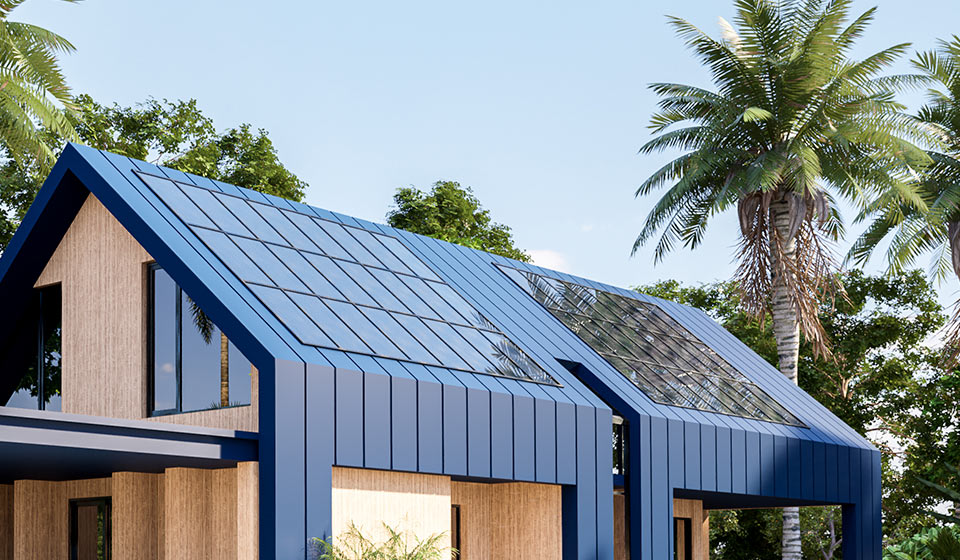
If you are considering incorporating solar panels into your home, you may be wondering how these systems work. Photovoltaic installations convert sunlight into usable electricity through a surprisingly simple process.
Essentially, the system is based on the interaction between sunlight and the photovoltaic cells that make up the solar panels. These cells are designed to capture the sun’s energy and transform it into direct current (DC). This current then passes through an inverter, which converts it into alternating current (AC), the form of electricity we use in our homes and businesses.
How Do Solar Panels Work?
Before diving into the details of how many solar panels are needed for a home, it is important to understand how these devices work. Solar panels are made up of photovoltaic cells that convert solar energy into electricity. These cells, typically made of silicon, absorb sunlight and release electrons, creating a direct current that passes through an inverter and is transformed into alternating current, ready to be used in the home.
The performance of the panels depends on various factors such as the amount of sunlight received, the tilt of the panels, and the ambient temperature. As technology has advanced, the efficiency and durability of the panels have improved significantly, allowing more people to benefit from this technology.
The Key Steps in the Solar Energy Generation Process
The operation of a photovoltaic installation can be broken down into several fundamental steps:
- Capturing sunlight: Solar panels absorb solar radiation.
- Generating electricity: Photovoltaic cells transform solar energy into direct current.
- Current conversion: An inverter converts direct current into alternating current, ready to be used.
- Energy distribution: The generated electricity can be consumed, stored in batteries, or even sold to the grid.
This process ensures that solar energy is maximally utilized, resulting in a stable and sustainable supply of electricity.
Essential Components of a Photovoltaic Installation
Every photovoltaic installation consists of several elements that work together to ensure the efficiency and durability of the system. These components are:
- Solar panels: They are the heart of the system, responsible for capturing sunlight.
- Inverter: Converts the generated electricity into alternating current.
- Mounting structures: Ensure that the solar panels are correctly installed on roofs or on the ground.
- Batteries (optional): Allow for the storage of unused energy for later consumption.
- Charge controller: Protects the batteries from overcharging.
- Wiring and protections: Conduct the generated electricity and protect the system components.
Types of Photovoltaic Installations
There are different types of photovoltaic installations designed to meet the specific needs of each user:
- Grid-connected photovoltaic installations: These are the most common. These systems allow the energy generated to be used in the home or to sell the excess to the grid. They are ideal for those who want to reduce their dependence on the conventional grid while also gaining economic benefits.
- Off-grid photovoltaic installations: Used in locations without access to the electrical grid. This type of installation requires the use of batteries to store energy, ensuring a constant supply even during the night or on cloudy days.
- Hybrid photovoltaic installations: Combine the advantages of grid-connected and off-grid installations. This system allows the user to be connected to the electrical grid while storing energy in batteries, providing greater autonomy and security.
Installation and Maintenance of a Photovoltaic Installation
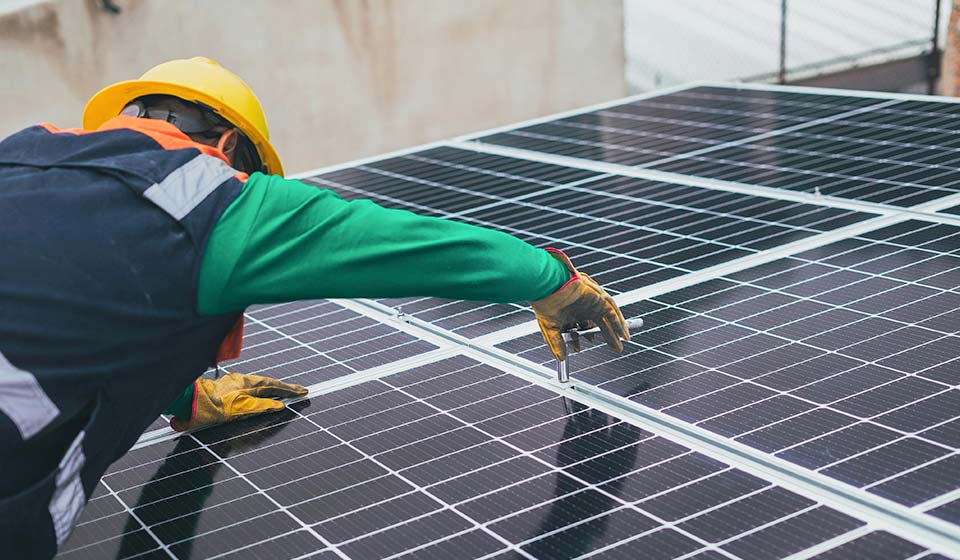
The process of installing solar panels in a home or business involves several phases, from design to system commissioning. These are the essential steps:
- Feasibility study: The installation site, roof orientation, solar incidence, and the client’s energy needs are evaluated.
- System design: Here, it is determined how many panels will be needed, as well as the type of inverter and batteries, if necessary.
- Installation: The installation of the solar panels, inverters, and other components is carried out, ensuring that everything is correctly aligned and connected.
- Connection and commissioning: Once everything is installed, the system is connected to the electrical grid or configured to operate off-grid. Additionally, it is tested to ensure everything works correctly.
The maintenance of a photovoltaic installation is relatively simple but crucial to ensure its optimal performance over the long term. The main tasks include:
- Cleaning the solar panels: The panels should be cleaned regularly to prevent dust and debris from blocking sunlight.
- Checking electrical connections: It is essential to periodically check for damaged or loose wires.
- Inspection of inverters and batteries: Although inverters and batteries are usually durable, regular inspection helps identify any issues before they affect the system’s performance.
How Much Does a Photovoltaic Installation Cost?
The cost of a photovoltaic installation can vary considerably depending on several factors, including:
- Size and power of the system: The larger the size and power, the higher the cost of the components.
- Quality of the panels and inverter: Choosing high-efficiency panels and a quality inverter may increase the cost, but it also ensures better long-term performance.
- Type of installation: Off-grid installations tend to be more expensive due to the use of batteries.
- Labor: The cost of installation can also vary depending on the complexity of the work and any additional services offered, such as periodic maintenance.
On average, a residential photovoltaic installation can range between 4,000 and 10,000 euros. This range may seem wide, but the long-term energy savings and potential government subsidies or incentives can make this investment much more affordable and attractive.
How Many Solar Panels Do I Need for a Normal House?
The answer mainly depends on the annual electricity consumption of the home. Each solar panel has a specific electricity production capacity, which varies depending on the model and technology used. Generally, a 550 W panel can generate approximately 2.5 kWh per day under optimal conditions.
To simplify the calculation, it is useful to analyze the monthly consumption in euros and associate it with the estimated number of panels needed:
| Electricity Bill (€/month) | Annual Consumption (kWh/year) | Estimated Number of Solar Panels |
|---|---|---|
| Less than 50 € | 2,400 kWh | Less than 4 panels |
| 50 – 100 € | 3,600 kWh | 4 – 6 panels |
| 100 – 150 € | 6,000 kWh | 6 – 9 panels |
| 150 – 200 € | 8,400 kWh | 9 – 12 panels |
| 200 – 250 € | 10,800 kWh | 12 – 14 panels |
| More than 250 € | More than 12,000 kWh | More than 15 panels |
These numbers are indicative and may vary depending on additional factors such as geographical location and the efficiency of the solar panels used.
How to Calculate the Number of Solar Panels You Need
The precise calculation of the number of solar panels you need depends on several key elements:
- Annual consumption in kWh: This data can be obtained from your electricity bills. It is the first and most important step to determine how many solar panels are necessary.
- Peak sun hours: This is the number of usable sunlight hours your home receives per day. It varies by location. For example, in Spain, the average can range from 4 to 6 peak sun hours daily.
- Power of the solar panels: Power is measured in watts (W). The most common solar panels on the market have powers ranging from 200W to over 550W.
The method for calculating how many solar panels you need is based on dividing the annual consumption by the peak sun hours in your area and then dividing that value by the power of the panel you intend to install. The formula would be:
Number of panels = (Annual consumption in kWh) / (Peak sun hours x Power of the panel in kW)
For example, if your home consumes 3,600 kWh per year, you live in an area with 5 peak sun hours per day, and you use 400 W panels, you will need approximately 3,600 / (5 x 0.4) = 1,800 / 2 = 9 solar panels.
Factors Affecting the Efficiency of Solar Panels
Although the previous calculation is useful for obtaining an initial estimate, there are other factors that can influence the efficiency of a solar installation:
- Orientation and tilt of the panels: Ideally, the panels should be facing south, at an angle that allows for maximum sunlight exposure.
- Shade: Partial shade on a single panel can reduce the efficiency of the entire system. It is important to avoid installation in areas that receive shade for many hours of the day.
- Weather conditions: Areas with very cold climates or high cloud cover will have less energy production than those with sunnier climates.
Solar Panel Prices Depending on the Type
The cost of a solar installation varies based on the number of panels, power, and technology used. Currently, the price of solar panels has decreased significantly due to growing demand and technological improvements.
A 12V solar panel can cost between 50€ and 130€, while a 24V panel tends to be more expensive, ranging from 120€ to 140€. Additionally, panels with advanced technologies such as PERC (reflective layer that increases efficiency) or Half-Cell (split cells for greater production) may also vary in price.
Solar Energy and Electric Vehicle Chargers
In addition to reducing electricity bills, solar energy is ideal for those who want to charge their electric vehicle at home. The installation of electric chargers powered by solar panels is one of the best investments you can make if you have an electric car.
These chargers allow you to use the energy generated by the panels during daylight hours to charge the vehicle for free, resulting in double savings: on the electricity bill and on fuel.
Saving and Amortization of Solar Panels: Is It Worth Installing Solar Panels in a House?
The savings generated by solar panels are immediate and constant. From the moment of installation, you will notice a reduction in your monthly electricity cost. While the initial outlay may seem high, the investment pays off within a period of 5 to 10 years, depending on consumption and installation costs. Additionally, there are financing programs that allow for a more accessible investment, depending on the autonomous community, and if you generate more energy than you consume, you can sell the excess.
An Intelligent Investment, Making Your Home or Business More Sustainable
Investing in solar panels is a smart decision for any home or business looking to reduce its environmental impact and save on electricity bills. Technology has advanced enough that today it is an accessible and profitable option. Furthermore, if you have an electric vehicle, installing chargers with solar photovoltaic integration is the perfect combination to maximize your savings and energy efficiency.